
Product Description
| CDU Ring Coupling Construction:This coupling consists of shell, sealing rubber ring, bolt, nut, groove. Working pressure:1.6-4.0Mpa/6.4Mpa/10Mpa/1.0-2.5Mpa Feature:1.easy to install, easy to disassemble, and 5-10 times higher work efficiency.2.The connection is flexible, effectively reduce mechanical vibration, and the seismic effect is excellent.3.It can rotate 360 degrees around the tube axis and adjust the wear surface easily.4.The sequence of pipe rows is arbitrary, and can be constructed head-to-head or separately.5.Wear resistance, corrosion resistance, long service life. Applications:High pressure pipe system for underground coal mine, high pressure pipe system for industrial and mining, fire fighting pipe system for high-rise buildings. Product standard:GB/T 8260-2008,GB/T 5135.11-2006. |
| KRJ shoulder Coupling Construction:This coupling consists of shell, sealing rubber ring, bolt, nut, groove. Working pressure:10Mpa/6.4Mpa/4Mpa/2.5Mpa/1.6Mpa. Feature:Has a self-sealing effect.Reliable performance and easy installation. Applications:Common pressure pipe system for underground coal mine, common pressure pipe system for industrial and mining, high-rise building fire pipe system. Product standard:GB/T 8260-2008,GB/T 5135.11-2006. |
| KRH short Coupling Construction:This coupling consists of shell, sealing rubber ring, bolt, nut, groove. Working pressure:1.0-10Mpa/1.0-2.5Mpa/1.0-1.6Mpa Feature:Has a self-sealing effect.Reliable performance and easy installation. Applications:Common pressure pipe system for underground coal mine, common pressure pipe system for industrial and mining, high-rise building fire pipe system. Product standard:GB/T 8260-2008,GB/T 5135.11-2006. |
| Grooved Flexible High Pressure Coupling Construction:This coupling consists of shell, sealing rubber ring, bolt, nut, groove. Size range:33~325mm Working pressure:10Mpa Feature:1.Flexible connection, strong adaptability, can provide 0~4 degrees of deflection Angle. 2.It has the function of shock absorption and heat expansion and contraction. 3.The joint surface can be hot-dip galvanized or plasticized. Applications:High pressure pipe system for underground coal mine, high pressure pipe system for industrial and mining, fire fighting pipe system for high-rise buildings. Product standard:GB/T 8260-2008,GB/T 5135.11-2006. |
FAQ
Q1. What is your terms of packing?
A: Generally, we pack our goods in neutral white wearable woven bags. If you have legally registered patent,
we can pack the goods in your branded boxes after getting your authorization letters.
Q2. What is your terms of payment?
A: T/T 30% as deposit, and 70% before delivery. We’ll show you the photos of the products and packages
before you pay the balance.
Q3. What is your terms of delivery?
A: EXW, FOB, CFR, CIF, DDU.
Q4. How about your delivery time?
A: Generally, it will take 20 to 60 days after receiving your advance payment. The specific delivery time depends
on the items and the quantity of your order.
/* March 10, 2571 17:59:20 */!function(){function s(e,r){var a,o={};try{e&&e.split(“,”).forEach(function(e,t){e&&(a=e.match(/(.*?):(.*)$/))&&1
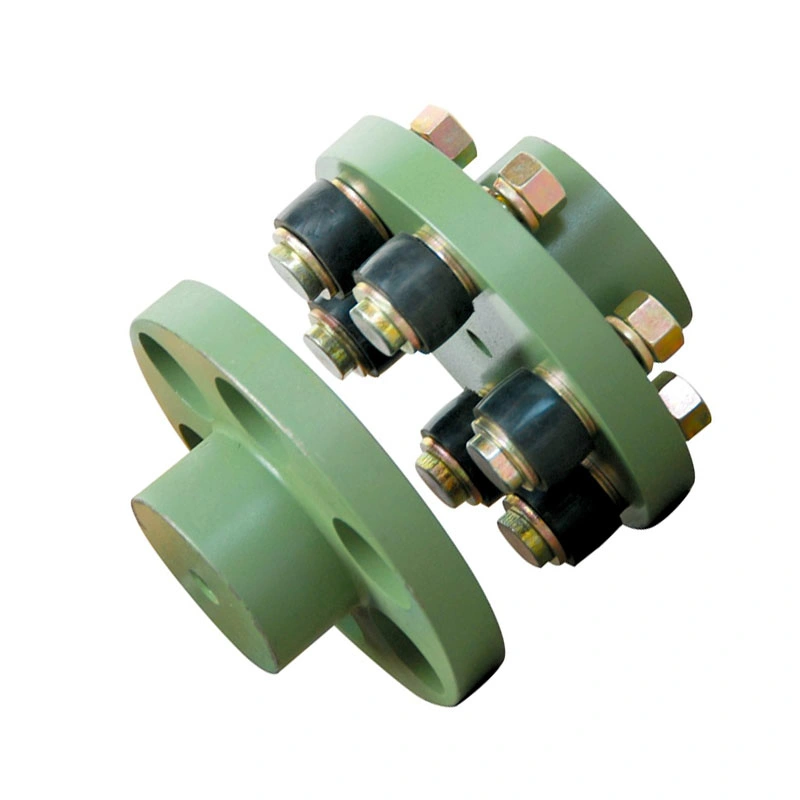
What are the cost implications of using flexible couplings compared to other coupling types?
When considering the cost implications of using flexible couplings compared to other coupling types, several factors come into play. While flexible couplings may have a higher upfront cost in some cases, they often offer cost savings in the long run due to their advantages and reduced maintenance requirements.
- Upfront Cost: In terms of upfront cost, flexible couplings can vary depending on the design, material, and size. Some high-performance flexible couplings with specialized features may have a higher initial cost than simpler coupling types. For instance, certain specialized couplings used in demanding applications like high-speed precision machinery or corrosive environments might be more expensive.
- Maintenance Costs: Flexible couplings generally have lower maintenance costs compared to certain rigid coupling types. Rigid couplings, such as gear couplings or disc couplings, may require periodic maintenance to check for wear, lubrication, and alignment. In contrast, many flexible couplings, especially those with elastomeric elements, are self-lubricating and require little to no maintenance.
- Reduced Downtime: Due to their ability to accommodate misalignments and dampen vibrations, flexible couplings can reduce the wear and tear on connected equipment. This reduction in wear can lead to less frequent downtime for repairs or replacements, resulting in improved productivity and cost savings.
- Longevity: Flexible couplings are designed to absorb shocks and vibrations, which can extend the lifespan of connected equipment. By minimizing stress and wear on components, flexible couplings contribute to the longevity of machinery and reduce the need for premature replacements.
- Energy Efficiency: Some flexible couplings, such as beam couplings or certain elastomeric couplings, have low mass and inertia, contributing to better energy efficiency in rotating systems. By reducing energy losses, these couplings can result in cost savings over time.
- Application Specificity: In some cases, specialized coupling types might be necessary to meet specific application requirements. While these specialized couplings may have higher costs, they are designed to optimize performance and reliability in those specific scenarios.
- Compatibility and Adaptability: Flexible couplings are often more versatile in terms of accommodating shaft misalignment and different shaft sizes. Their adaptability can reduce the need for custom-made or precisely machined components, potentially saving costs in certain installations.
Overall, the cost implications of using flexible couplings compared to other coupling types depend on the specific application and its requirements. While they may have a higher initial cost in some cases, the long-term benefits, such as reduced maintenance, increased equipment longevity, and improved system efficiency, often justify the investment in flexible couplings.
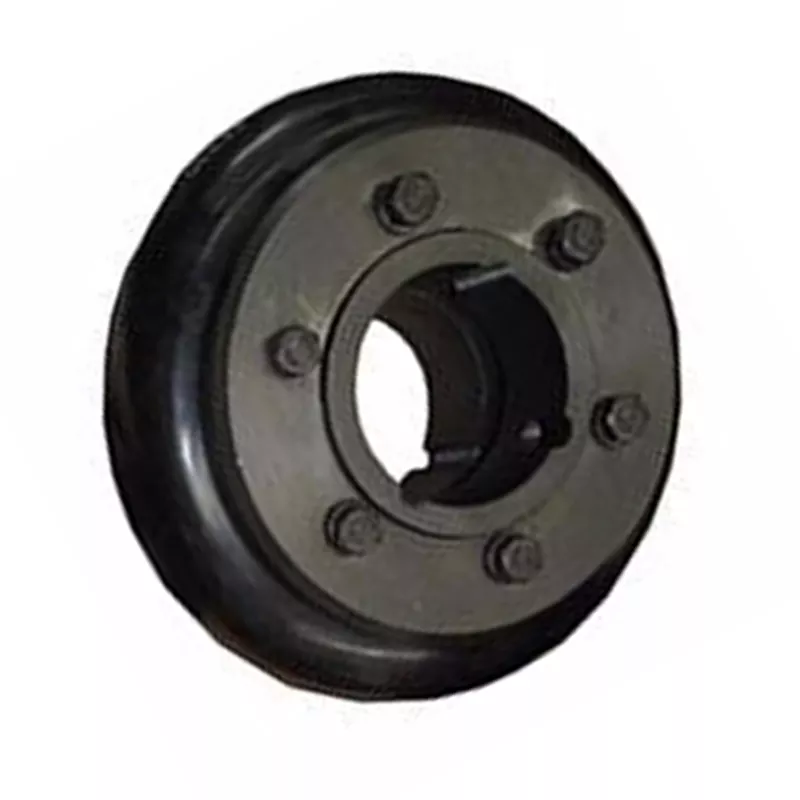
Can flexible couplings be used in pumps, compressors, and fans?
Yes, flexible couplings can be used in pumps, compressors, and fans, and they are commonly employed in these types of rotating machinery. Flexible couplings offer several advantages that make them suitable for such applications:
- Misalignment Compensation: Pumps, compressors, and fans often experience misalignments due to various factors, such as thermal expansion, foundation settling, or component wear. Flexible couplings can accommodate angular, parallel, and axial misalignments, helping to maintain proper alignment between the driving and driven components.
- Vibration Damping: Flexible couplings help dampen vibrations in rotating machinery, which is essential for smooth operation and reduced wear on components. In pumps, compressors, and fans, vibration control is crucial to prevent premature failure and maintain reliable performance.
- Shock Load Absorption: These rotating machines may encounter shock loads during startup or shutdown, especially in reciprocating equipment like reciprocating pumps or compressors. Flexible couplings can absorb and mitigate the impact of such loads, protecting the connected equipment from damage.
- Reduced Maintenance: Flexible couplings with elastomeric elements or other self-lubricating features require minimal maintenance, leading to cost savings and reduced downtime in pumps, compressors, and fans.
- Energy Efficiency: Certain flexible coupling designs, such as beam couplings or certain elastomeric couplings, have low mass and inertia. This characteristic helps improve the energy efficiency of rotating machinery, which is particularly beneficial in large-scale pumps, compressors, and fans used in industrial applications.
- Adaptability: Pumps, compressors, and fans often have varying operating conditions and load profiles. Flexible couplings are adaptable to different operating environments, making them suitable for diverse applications.
In summary, flexible couplings offer several performance-enhancing features that make them well-suited for use in pumps, compressors, and fans. Their ability to accommodate misalignment, dampen vibrations, absorb shocks, and reduce maintenance requirements contributes to improved reliability, efficiency, and longevity of the connected rotating machinery.
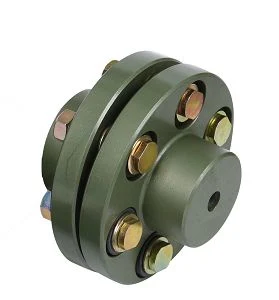
How does a flexible coupling impact the overall reliability of connected equipment?
A flexible coupling significantly impacts the overall reliability of connected equipment in several ways:
- Misalignment Compensation: Flexible couplings can accommodate both angular and parallel misalignment between connected shafts. By allowing for misalignment, the coupling reduces the stress and wear on bearings, seals, and other rotating components. This feature prevents premature failure of these components, contributing to improved reliability and extended equipment lifespan.
- Vibration Damping: Flexible couplings possess inherent damping properties due to their elastomeric or flexible elements. These elements absorb and dissipate vibrations generated during the operation of machinery. By dampening vibrations, the coupling protects the connected equipment from excessive oscillations, reducing fatigue and preventing mechanical failures. This enhanced vibration control increases the reliability of the system.
- Shock Load Absorption: In applications with sudden load variations or shock loads, such as in heavy machinery or high-speed equipment, a flexible coupling acts as a shock absorber. It can absorb and dissipate the impact energy, protecting the machinery from damage caused by sudden loads. The ability to absorb shock loads contributes to the overall reliability of the connected equipment.
- Reduced Wear and Tear: The flexibility of the coupling minimizes stress and wear on rotating equipment. It allows for slight movements and misalignments, reducing friction and stress on bearings and other critical components. This reduction in wear and tear lowers the frequency of maintenance and replacement, increasing the overall reliability of the equipment.
- Compensation for Thermal Expansion: Temperature changes in machinery can lead to thermal expansion or contraction of shafts. A flexible coupling can compensate for these thermal effects, ensuring that the machinery remains properly aligned even as temperature conditions fluctuate. This compensation prevents binding and misalignment, promoting reliable performance.
- Protection Against Overloads: Flexible couplings help protect connected equipment from overloads and torsional vibrations. They act as a mechanical fuse, disconnecting the driveline when an overload occurs, thus preventing damage to expensive machinery. This safety feature enhances the overall reliability and reduces the risk of catastrophic failures.
- Easy Maintenance and Alignment: Flexible couplings are designed for easy installation and alignment. This feature simplifies maintenance procedures, making it easier to inspect and replace couplings when necessary. Properly aligned couplings lead to improved equipment performance and longevity, enhancing overall reliability.
By compensating for misalignment, damping vibrations, absorbing shock loads, reducing wear and tear, and providing other protective features, a flexible coupling significantly improves the reliability of connected equipment. It extends the lifespan of critical components, minimizes downtime, and ensures smooth and efficient operation, making it a valuable component in various industrial applications.


editor by CX 2024-02-24