
Product Description
SDSX Grooved Rigid Coupling
System s & Performance
SDSX Grooved mechanical couplings(GMC) are available in both rigid and flexible models.
A rigid coupling is used in applications where a rigid joint is desired,similar to that of a traditional flanged,welded ,or threaded connection.
To be considered rigid,a coupling would allow less than 1 degree of deflection or angular movement
Description
SDSX rigid coupling is designed from 1″-12″, and pressure is 300psi/2070 kPa.
Bolts/Nuts: Heat-treated plated carbon steel, meeting its mechanical properties Grade 8.8.
Gaskets: EPDM, silicon rubber and Nitrile rubber.
Dimensions
| Nominal Size mm/in |
Pipe O.D mm/in |
Working Pressure PSI/MPa |
Bolt Size | Dimensions mm/in | ||
| No.-Size mm | Ø | L | H | |||
| 25 1 |
33.7 1.327 |
300 2.07 |
2-3/8*45 | 60 2.362 |
102 4.016 |
45 1.772 |
| 32 1¼ |
42.4 1.669 |
300 2.07 |
2-3/8*45 | 70 2.756 |
106 4.173 |
44 1.732 |
| 40 1½ |
48.3 1.900 |
300 2.07 |
2-3/8*45 | 73 2.874 |
108 4.252 |
44 1.732 |
| 50 2 |
57.0 2.245 |
300 2.07 |
2-3/8*55 | 83 3.268 |
122 4.803 |
45 1.772 |
| 50 2 |
60.3 2.375 |
300 2.07 |
2-3/8*55 | 87 3.425 |
123 4.843 |
44 1.732 |
| 65 2½ |
73.0 2.875 |
300 2.07 |
2-3/8*55 | 100 3.937 |
138 5.433 |
44 1.732 |
| 65 2½ |
76.1 3.000 |
300 2.07 |
2-3/8*55 | 103 4.055 |
142 5.591 |
45 1.772 |
| 80 3 |
88.9 3.500 |
300 2.07 |
2- 1/2*60 | 117 4.606 |
166 6.535 |
45 1.772 |
| 100 4 |
108.0 4.250 |
300 2.07 |
2- 1/2*65 | 137 5.393 |
188 7.401 |
48 1.889 |
| 100 4 |
114.3 4.500 |
300 2.07 |
2- 1/2*65 | 139 5.472 |
190 7.480 |
49 1.929 |
| 125 5 |
133.0 5.250 |
300 2.07 |
2- 1/2*75 | 163 6.417 |
210 8.268 |
49 1.929 |
| 125 5 |
139.7 5.500 |
300 2.07 |
2- 1/2*75 | 168 6.614 |
218 8.583 |
49 1.929 |
| 150 6 |
159.0 6.250 |
300 2.07 |
2- 1/2*75 | 192 7.559 |
242 9.528 |
49 1.929 |
| 150 6 |
165.1 6.500 |
300 2.07 |
2- 1/2*75 | 193 7.598 |
241 9.488 |
49 1.929 |
| 150 6 |
168.3 6.625 |
300 2.07 |
2- 1/2*75 | 198.5 7.815 |
249 9.803 |
50 1.969 |
| 200 8 |
219.1 8.625 |
300 2.07 |
2-5/8*85 | 253 9.961 |
320 12.598 |
59 2.323 |
| 250 10 |
273 10.748 |
300 2.07 |
2-7/8*130 | 335 13.189 |
426 16.772 |
68 2.677 |
| 300 12 |
323.9 12.752 |
300 2.07 |
2-7/8*130 | 380 14.96 |
470 18.504 |
65 2.559 |
Material Specification
Housing: Ductile iron conforming to ASTM A-536, grade 65-45-12.
Housing Coating: Paint red and orange
• Optional: Hot dipped galvanized, electro galvanized.
Gaskets
• EPDM: Temperature range -34ºC to +150ºC. Recommended for hot water service within
the specified temperature range plus a variety of dilute acids,oil-free air and many chemical services.
NOT RECOMMENDED FOR PETROLEUM SERVICES.
• Silicon Rubber: Temperature range -40ºC to +177ºC. Recommended for drinking water,
hot water, high-temperature air and some high-temperature chemicals.
NOT RECOMMENDED FOR PETROLEUM SERVICES.
• Nitrile Rubber: Temperature range -29ºC to +82ºC. Recommended for petroleum products,
air with oil vapors, vegetable and mineral oils within the specified temperature range.
NOT RECOMMENDED FOR HOT WATER
SERVICES OVER +150°F/+66ºC OR FOR HOT
DRY AIR OVER +140°F/+60ºC.
Installation
Certification
Showroom
Application
Package and shipment
Production and quality control
/* March 10, 2571 17:59:20 */!function(){function s(e,r){var a,o={};try{e&&e.split(“,”).forEach(function(e,t){e&&(a=e.match(/(.*?):(.*)$/))&&1
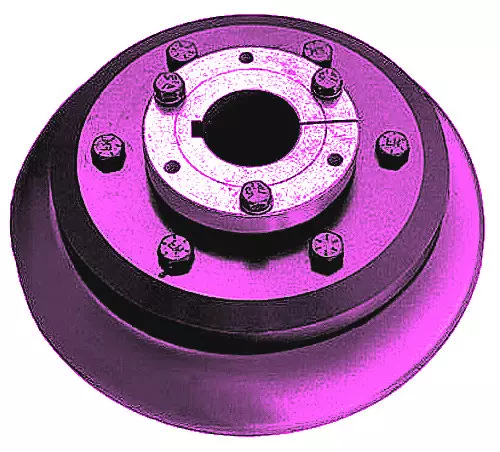
How do flexible couplings handle axial movement in rotating machinery?
Flexible couplings are designed to handle different types of misalignments in rotating machinery, including axial movement or axial misalignment. Axial movement occurs when there is displacement along the axis of rotation, causing one shaft to move closer to or away from the other shaft. Here’s how flexible couplings handle axial movement:
- Sliding Capability: Many flexible couplings, especially those with elastomeric elements or certain designs, can slide along the shafts they connect. This sliding capability allows the coupling to accommodate axial movement without introducing additional stress on the connected components. The elastomeric elements can compress or stretch slightly to absorb the axial displacement.
- Multiple-piece Designs: Some flexible couplings consist of multiple pieces, which allow for axial movement. These designs often have a floating member or a spacer that separates the two shaft-connected components. The floating member can move axially as needed, while still transmitting torque and compensating for other misalignments.
- Double-Cardanic Design: Certain high-performance flexible couplings use a double-cardanic design, allowing for misalignment in multiple directions, including axial movement. This design features two sets of flexible elements that work together to accommodate different misalignments and provide a high degree of flexibility.
It’s important to note that while flexible couplings can handle a certain degree of axial movement, excessive axial misalignment might require a different type of coupling or additional measures to be addressed properly.
During the selection and installation process, it’s essential to consider the application’s axial movement requirements and choose a flexible coupling that can accommodate the expected axial displacement while still providing the desired performance, such as vibration damping, shock absorption, or precision motion control.
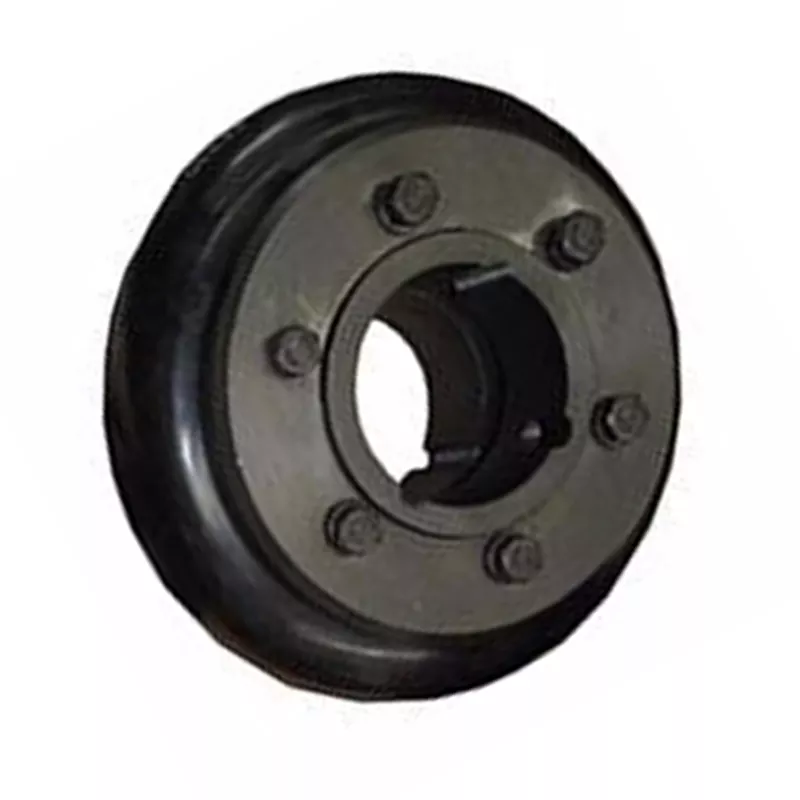
Can flexible couplings be used in pumps, compressors, and fans?
Yes, flexible couplings can be used in pumps, compressors, and fans, and they are commonly employed in these types of rotating machinery. Flexible couplings offer several advantages that make them suitable for such applications:
- Misalignment Compensation: Pumps, compressors, and fans often experience misalignments due to various factors, such as thermal expansion, foundation settling, or component wear. Flexible couplings can accommodate angular, parallel, and axial misalignments, helping to maintain proper alignment between the driving and driven components.
- Vibration Damping: Flexible couplings help dampen vibrations in rotating machinery, which is essential for smooth operation and reduced wear on components. In pumps, compressors, and fans, vibration control is crucial to prevent premature failure and maintain reliable performance.
- Shock Load Absorption: These rotating machines may encounter shock loads during startup or shutdown, especially in reciprocating equipment like reciprocating pumps or compressors. Flexible couplings can absorb and mitigate the impact of such loads, protecting the connected equipment from damage.
- Reduced Maintenance: Flexible couplings with elastomeric elements or other self-lubricating features require minimal maintenance, leading to cost savings and reduced downtime in pumps, compressors, and fans.
- Energy Efficiency: Certain flexible coupling designs, such as beam couplings or certain elastomeric couplings, have low mass and inertia. This characteristic helps improve the energy efficiency of rotating machinery, which is particularly beneficial in large-scale pumps, compressors, and fans used in industrial applications.
- Adaptability: Pumps, compressors, and fans often have varying operating conditions and load profiles. Flexible couplings are adaptable to different operating environments, making them suitable for diverse applications.
In summary, flexible couplings offer several performance-enhancing features that make them well-suited for use in pumps, compressors, and fans. Their ability to accommodate misalignment, dampen vibrations, absorb shocks, and reduce maintenance requirements contributes to improved reliability, efficiency, and longevity of the connected rotating machinery.
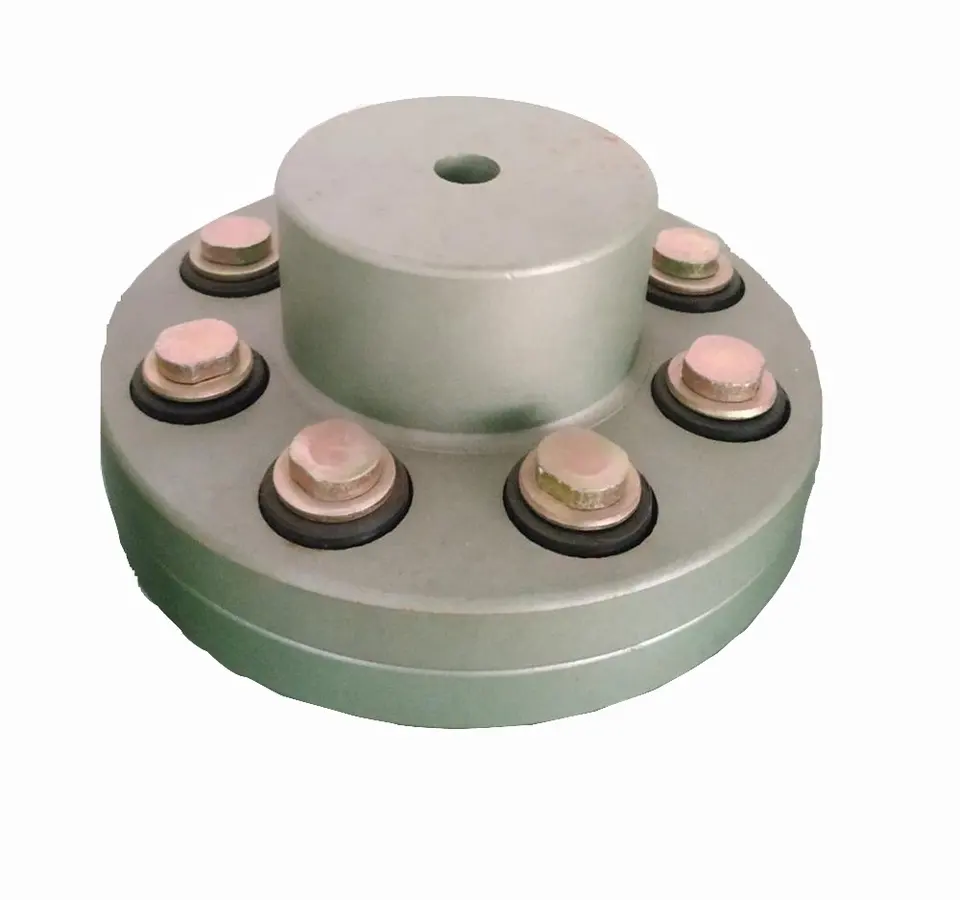
How do you select the appropriate flexible coupling for a specific application?
Choosing the right flexible coupling for a specific application requires careful consideration of various factors to ensure optimal performance, reliability, and longevity. Here are the key steps to select the appropriate flexible coupling:
- Application Requirements: Understand the specific requirements of the application, including torque and speed specifications, misalignment conditions, operating environment (e.g., temperature, humidity, and presence of corrosive substances), and space limitations.
- Torque Capacity: Determine the maximum torque that the coupling needs to transmit. Choose a flexible coupling with a torque rating that exceeds the application’s requirements to ensure a safety margin and prevent premature failure.
- Misalignment Compensation: Consider the type and magnitude of misalignment that the coupling needs to accommodate. Different coupling designs offer varying degrees of misalignment compensation. Select a coupling that can handle the expected misalignment in the system.
- Vibration Damping: If the application involves significant vibrations, choose a flexible coupling with good damping properties to reduce vibration transmission to connected equipment and improve system stability.
- Environmental Factors: Take into account the environmental conditions in which the coupling will operate. For harsh environments, consider couplings made from corrosion-resistant materials.
- Torsional Stiffness: Depending on the application’s requirements, decide on the desired torsional stiffness of the coupling. Some applications may require high torsional stiffness for precise motion control, while others may benefit from a more flexible coupling for shock absorption.
- Cost and Life-Cycle Considerations: Evaluate the overall cost-effectiveness of the coupling over its expected life cycle. Consider factors such as initial cost, maintenance requirements, and potential downtime costs associated with coupling replacement.
- Manufacturer Recommendations: Consult coupling manufacturers and their technical specifications to ensure the selected coupling is suitable for the intended application.
- Installation and Maintenance: Ensure that the selected flexible coupling is compatible with the equipment and shaft sizes. Follow the manufacturer’s installation guidelines and recommended maintenance practices to maximize the coupling’s performance and longevity.
By following these steps and carefully evaluating the application’s requirements, you can select the most appropriate flexible coupling for your specific needs. The right coupling choice will lead to improved system performance, reduced wear on equipment, and enhanced overall reliability in various mechanical systems and rotating machinery.


editor by CX 2023-12-26