
Product Description
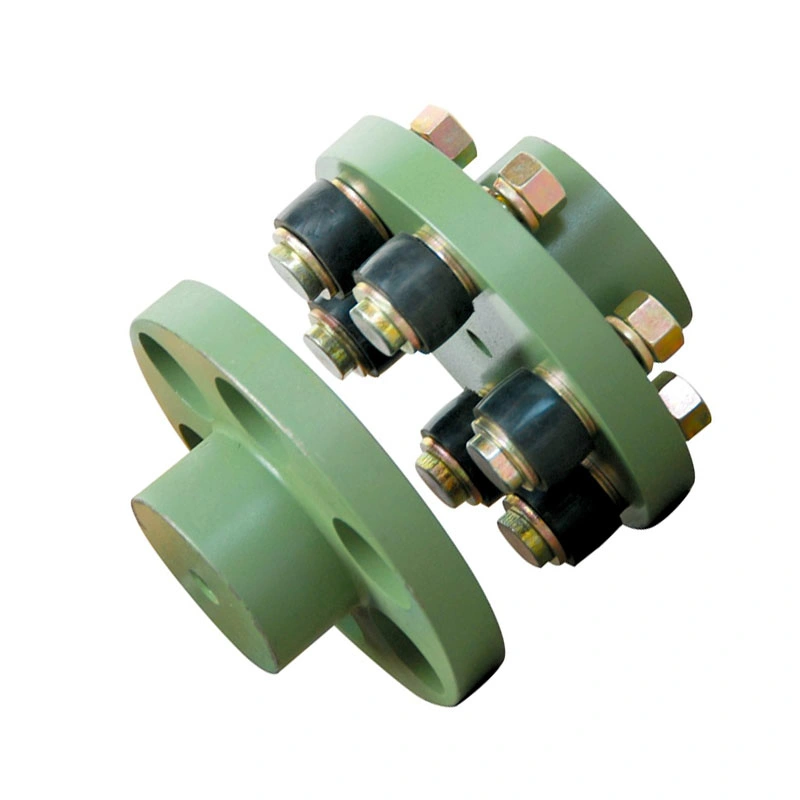
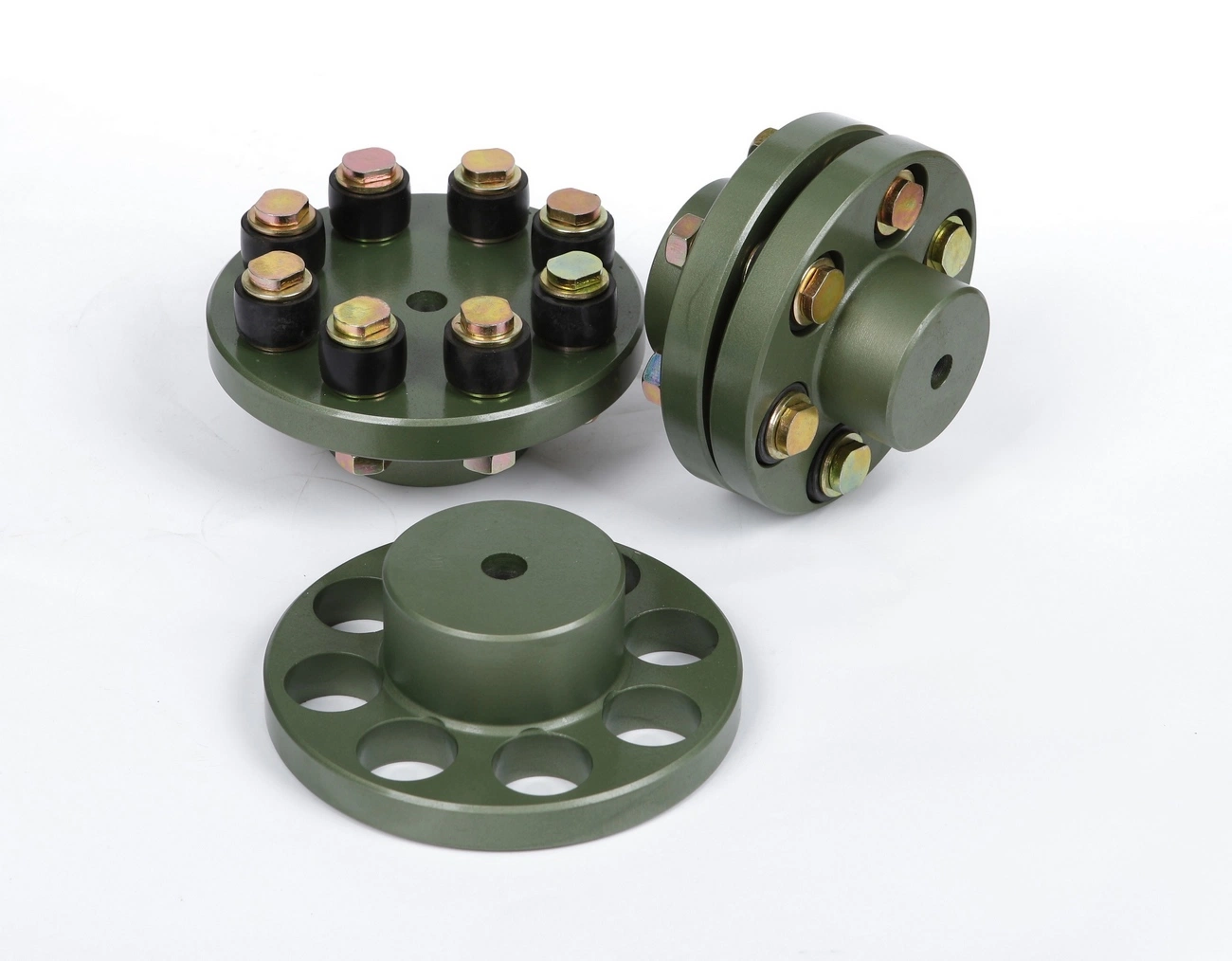
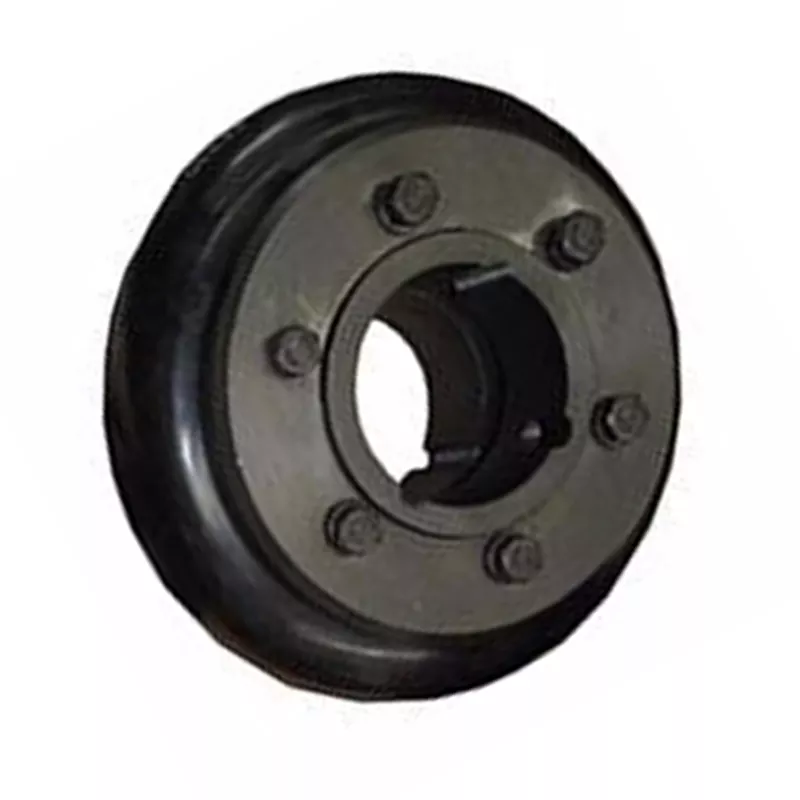
XL Types High-Pressure Rubber Flexible Spider Jaw Coupling
XL Type Flexible Spider Jaw Coupling comprises a convex claw block that can be avoided due to external constraints, internal deformation, and centrifugal impact deformation; in concave-convex claw, the pressure on the surface of the involute tooth is very small, even under overload, the tooth will not wear or deformation.
Flexible jaw couplings are used in power transmission of industrial equipment such as metallurgy, mining, lifting, transportation, petroleum, chemical industry, shipbuilding, textile, light industry, agricultural machinery, and industrial equipment such as pumps, fans, compressors, machine tools, gearboxes, mixers, printing machines, and conveyors.
Advantage:
Run smoothly;
Easy to install;
Compensate displacement (axial, radial, angular);
XL Star Type Flexible Coupling Main Dimension:
| Type | Nominal torque Tn/N·m |
Shaft hole diameter | L | D | D1 | B1 | S | |
| d1,d2 | Y | J1,Z1 | ||||||
| XL1 | 20 | 6,7 | 18 | – | 40 | 32 | 12 | 2 |
| 8,9 | 22 | – | ||||||
| 10,11 | 25 | 22 | ||||||
| 12,14 | 32 | 27 | ||||||
| 16,18,19 | 42 | 30 | ||||||
| XL2 | 71 | 8,9 | 22 | – | 55 | 40 | 14 | |
| 10,11 | 25 | 22 | ||||||
| 12,14 | 32 | 27 | ||||||
| 16,18,19 | 42 | 30 | ||||||
| 20,22,24 | 52 | 38 | ||||||
| XL3 | 200 | 10,11 | 25 | 22 | 65 | 48 | 15 | 2.5 |
| 12,14 | 32 | 27 | ||||||
| 16,18,19 | 42 | 30 | ||||||
| 20,22,24 | 52 | 38 | ||||||
| 25,28 | 62 | 44 | ||||||
| XL4 | 400 | 12,14 | 32 | 27 | 80 | 66 | 18 | 3 |
| 16,18,19 | 42 | 30 | ||||||
| 20,22,24 | 52 | 38 | ||||||
| 25,28 | 62 | 44 | ||||||
| 30,32,35,38 | 82 | 60 | ||||||
| XL5 | 560 | 14 | 32 | 27 | 95 | 75 | 20 | |
| 16,18,19 | 42 | 30 | ||||||
| 20,22,24 | 52 | 38 | ||||||
| 25,28 | 62 | 44 | ||||||
| 30,32,35,38 | 82 | 60 | ||||||
| 40,42 | 112 | 84 | ||||||
| XL6 | 630 | 16,18,19 | 42 | 30 | 105 | 85 | 21 | 3.5 |
| 20,22,24 | 52 | 38 | ||||||
| 25,28 | 62 | 44 | ||||||
| 30,32,35,38 | 82 | 60 | ||||||
| 40,42,45,48 | 112 | 84 | ||||||
| XL7 | 800 | 20,22,24 | 52 | 38 | 120 | 98 | 22 | 4 |
| 25,28 | 62 | 44 | ||||||
| 30,32,35,38 | 82 | 60 | ||||||
| 40,42,45,48,50,55 | 112 | 84 | ||||||
| XL8 | 900 | 22,24 | 52 | 38 | 135 | 115 | 26 | 4.5 |
| 25,28 | 62 | 44 | ||||||
| 30,32,35,38 | 82 | 60 | ||||||
| 40,42,45,48,50,55 | 112 | 84 | ||||||
| 60,63,65 | 142 | 107 | ||||||
| XL9 | 2000 | 30,32,35,38 | 82 | 60 | 160 | 135 | 30 | 5 |
| 40,42,45,48,50,55,56 | 112 | 84 | ||||||
| 60,63,65,70,71,75 | 142 | 107 | ||||||
| XL10 | 5000 | 40,42,45,48,50,55,56 | 112 | 84 | 200 | 160 | 34 | 5.5 |
| 60,63,65,70,71,75 | 142 | 107 | ||||||
| 80,85,90 | 172 | 132 | ||||||
| XL11 | 7100 | 50,55,56 | 112 | 84 | 225 | 180 | 38 | 6 |
| 60,63,65,70,71,75 | 142 | 107 | ||||||
| 80,85,90,95 | 172 | 132 | ||||||
| 100 | 212 | 167 | ||||||
| XL12 | 8000 | 60,63,65,70,71,75 | 142 | 107 | 255 | 200 | 42 | 6.5 |
| 80,85,90,95 | 172 | 132 | ||||||
| 100,110 | 212 | 167 | ||||||
| XL13 | 10000 | 60,63,65,70,71,75 | 142 | 107 | 290 | 230 | 46 | 7 |
| 80,85,90,95 | 172 | 132 | ||||||
| 100,110,120,125 | 212 | 167 | ||||||
| XL14 | 14000 | 60,63,65,70,71,75 | 142 | 107 | 320 | 255 | 50 | 7.5 |
| 80,85,90,95 | 172 | 132 | ||||||
| 100,110,120,125 | 212 | 167 | ||||||
| 130,140 | 252 | 202 | ||||||
| XL15 | 20000 | 80,85,90,95 | 172 | 132 | 370 | 290 | 57 | 9 |
| 100,110,120,125 | 212 | 167 | ||||||
| 130,140,150 | 252 | 202 | ||||||
| 160 | 302 | 242 | ||||||
| XL16 | 25000 | 85,90,95 | 172 | 132 | 420 | 325 | 64 | 10.5 |
| 100,110,120,125 | 212 | 167 | ||||||
| 130,140,150 | 252 | 202 | ||||||
| 160,170,180 | 302 | 242 |
Product Show:
♦Other Products List
| Transmission Machinery Parts Name |
Model |
| Universal Coupling | WS, WSD, WSP |
| Cardan Shaft | SWC, SWP, SWZ |
| Tooth Coupling | CL, CLZ, GCLD, GIICL, GICL, NGCL, GGCL, GCLK |
| Disc Coupling | JMI, JMIJ, JMII, JMIIJ |
| High Flexible Coupling | LM |
| Chain Coupling | GL |
| Jaw Coupling | LT |
| Grid Coupling | JS |
♦Our Company
Our company supplies different kinds of products. High quality and reasonable price. We stick to the principle of “quality first, service first, continuous improvement and innovation to meet the customers” for the management and “zero defect, zero complaints” as the quality objective. To perfect our service, we provide products of good quality at a reasonable price.
Welcome to customize products from our factory and please provide your design drawings or contact us if you need other requirements.
♦Our Services
1. Design Services
Our design team has experience in coupling relating to product design and development. If you have any needs for your new product or wish to make further improvements, we are here to offer our support.
2. Product Services
raw materials → Cutting → Forging →Rough machining →Shot blasting →Heat treatment →Testing →Fashioning →Cleaning→ Assembly→Packing→Shipping
3. Samples Procedure
We could develop the sample according to your requirement and amend the sample constantly to meet your need.
4. Research & Development
We usually research the new needs of the market and develop new models when there are new cars in the market.
5. Quality Control
Every step should be a special test by Professional Staff according to the standard of ISO9001 and TS16949.
♦FAQ
Q 1: Are you a trading company or a manufacturer?
A: We are a professional manufacturer specializing in manufacturing
various series of couplings.
Q 2:Can you do OEM?
Yes, we can. We can do OEM & ODM for all the customers with customized artwork in PDF or AI format.
Q 3:How long is your delivery time?
Generally, it is 20-30 days if the goods are not in stock. It is according to quantity.
Q 4: Do you provide samples? Is it free or extra?
Yes, we could offer the sample but not for free. Actually, we have an excellent price principle, when you make the bulk order then the cost of the sample will be deducted.
Q 5: How extended is your warranty?
A: Our Warranty is 12 months under normal circumstances.
Q 6: What is the MOQ?
A: Usually our MOQ is 1pcs.
Q 7: Do you have inspection procedures for coupling?
A:100% self-inspection before packing.
Q 8: Can I have a visit to your factory before the order?
A: Sure, welcome to visit our factory.
Q 9: What’s your payment?
A:1) T/T.
♦Contact Us
Web: huadingcoupling
Add: No.11 HangZhou Road,Chengnan park,HangZhou City,ZheJiang Province,China
/* March 10, 2571 17:59:20 */!function(){function s(e,r){var a,o={};try{e&&e.split(“,”).forEach(function(e,t){e&&(a=e.match(/(.*?):(.*)$/))&&1
What are the cost implications of using flexible couplings compared to other coupling types?
When considering the cost implications of using flexible couplings compared to other coupling types, several factors come into play. While flexible couplings may have a higher upfront cost in some cases, they often offer cost savings in the long run due to their advantages and reduced maintenance requirements.
- Upfront Cost: In terms of upfront cost, flexible couplings can vary depending on the design, material, and size. Some high-performance flexible couplings with specialized features may have a higher initial cost than simpler coupling types. For instance, certain specialized couplings used in demanding applications like high-speed precision machinery or corrosive environments might be more expensive.
- Maintenance Costs: Flexible couplings generally have lower maintenance costs compared to certain rigid coupling types. Rigid couplings, such as gear couplings or disc couplings, may require periodic maintenance to check for wear, lubrication, and alignment. In contrast, many flexible couplings, especially those with elastomeric elements, are self-lubricating and require little to no maintenance.
- Reduced Downtime: Due to their ability to accommodate misalignments and dampen vibrations, flexible couplings can reduce the wear and tear on connected equipment. This reduction in wear can lead to less frequent downtime for repairs or replacements, resulting in improved productivity and cost savings.
- Longevity: Flexible couplings are designed to absorb shocks and vibrations, which can extend the lifespan of connected equipment. By minimizing stress and wear on components, flexible couplings contribute to the longevity of machinery and reduce the need for premature replacements.
- Energy Efficiency: Some flexible couplings, such as beam couplings or certain elastomeric couplings, have low mass and inertia, contributing to better energy efficiency in rotating systems. By reducing energy losses, these couplings can result in cost savings over time.
- Application Specificity: In some cases, specialized coupling types might be necessary to meet specific application requirements. While these specialized couplings may have higher costs, they are designed to optimize performance and reliability in those specific scenarios.
- Compatibility and Adaptability: Flexible couplings are often more versatile in terms of accommodating shaft misalignment and different shaft sizes. Their adaptability can reduce the need for custom-made or precisely machined components, potentially saving costs in certain installations.
Overall, the cost implications of using flexible couplings compared to other coupling types depend on the specific application and its requirements. While they may have a higher initial cost in some cases, the long-term benefits, such as reduced maintenance, increased equipment longevity, and improved system efficiency, often justify the investment in flexible couplings.
How does a flexible coupling contribute to reducing maintenance and downtime costs?
A flexible coupling plays a significant role in reducing maintenance and downtime costs in mechanical systems. Here are the ways in which it achieves this:
- Misalignment Compensation: Flexible couplings can accommodate both angular and parallel misalignments between shafts. By absorbing and compensating for misalignment, they reduce wear and stress on connected equipment, minimizing the risk of premature failures and the need for frequent adjustments.
- Vibration Damping: Flexible couplings dampen vibrations and shock loads in the system. This not only protects the connected components from excessive wear but also reduces the likelihood of damage to bearings, seals, and other critical parts, which would otherwise require frequent replacement or repair.
- Protection Against Shock Loads: In applications where sudden starts, stops, or load fluctuations occur, flexible couplings can absorb and dissipate some of the shock loads, preventing potential damage to machinery. This feature extends the equipment’s lifespan and minimizes unplanned downtime.
- Longevity of Components: By reducing stress and wear on connected components, flexible couplings contribute to their longevity. Components such as bearings, shafts, and gears are subject to less strain and fatigue, resulting in extended service intervals and reduced replacement costs.
- Easy Installation and Maintenance: Flexible couplings are relatively easy to install and require minimal maintenance. Routine inspections to check for wear or damage can be done without significant downtime, allowing proactive maintenance to address any issues before they escalate.
- Adaptability to Operating Conditions: Flexible couplings can handle variations in operating conditions, such as temperature fluctuations and different types of loads. Their ability to accommodate changing conditions reduces the need for frequent adjustments or component replacements due to environmental factors.
- Reduced Downtime during Maintenance: In the event of maintenance or equipment repairs, flexible couplings can be quickly disconnected and reconnected, minimizing the downtime required for servicing. This quick replacement reduces production losses and improves overall system efficiency.
Overall, the use of flexible couplings in mechanical systems promotes reliability, extends the life of equipment, and helps prevent costly breakdowns. By reducing maintenance and downtime costs, flexible couplings contribute to improved productivity and profitability for industrial operations.
Can flexible couplings be used in both horizontal and vertical shaft arrangements?
Yes, flexible couplings can be used in both horizontal and vertical shaft arrangements. The design of flexible couplings allows them to accommodate misalignment and compensate for angular, parallel, and axial displacements between the shafts, making them suitable for various shaft orientations.
Horizontal Shaft Arrangements:
In horizontal shaft arrangements, where the shafts are parallel to the ground or horizontal plane, flexible couplings are commonly used to connect two rotating shafts. These couplings help transmit torque from one shaft to another while accommodating any misalignment that may occur during operation. Horizontal shaft arrangements are common in applications such as pumps, compressors, conveyors, and industrial machinery.
Vertical Shaft Arrangements:
In vertical shaft arrangements, where the shafts are perpendicular to the ground or vertical plane, flexible couplings are also applicable. Vertical shafts often require couplings that can handle the additional weight and forces resulting from gravity. Flexible couplings designed for vertical applications can support the weight of the rotating equipment while allowing for some axial movement to accommodate thermal expansion or other displacements. Vertical shaft arrangements are commonly found in applications such as pumps, gearboxes, turbines, and some marine propulsion systems.
Considerations for Vertical Shaft Arrangements:
When using flexible couplings in vertical shaft arrangements, there are a few additional considerations to keep in mind:
- Thrust Load: Vertical shafts can generate thrust loads, especially in upward or downward direction. The flexible coupling should be selected based on its capacity to handle both radial and axial loads to accommodate these forces.
- Lubrication: Some vertical couplings may require additional lubrication to ensure smooth operation and reduce wear, particularly if they are exposed to high axial loads or extended vertical shafts.
- Support and Bearing: Proper support and bearing arrangements for the vertical shaft are essential to prevent excessive shaft deflection and ensure the flexible coupling functions correctly.
Overall, flexible couplings are versatile and adaptable to various shaft orientations, providing efficient power transmission and misalignment compensation. Whether in horizontal or vertical arrangements, using the appropriate flexible coupling design and considering the specific application requirements will help ensure reliable and efficient operation.


editor by CX 2024-01-19